
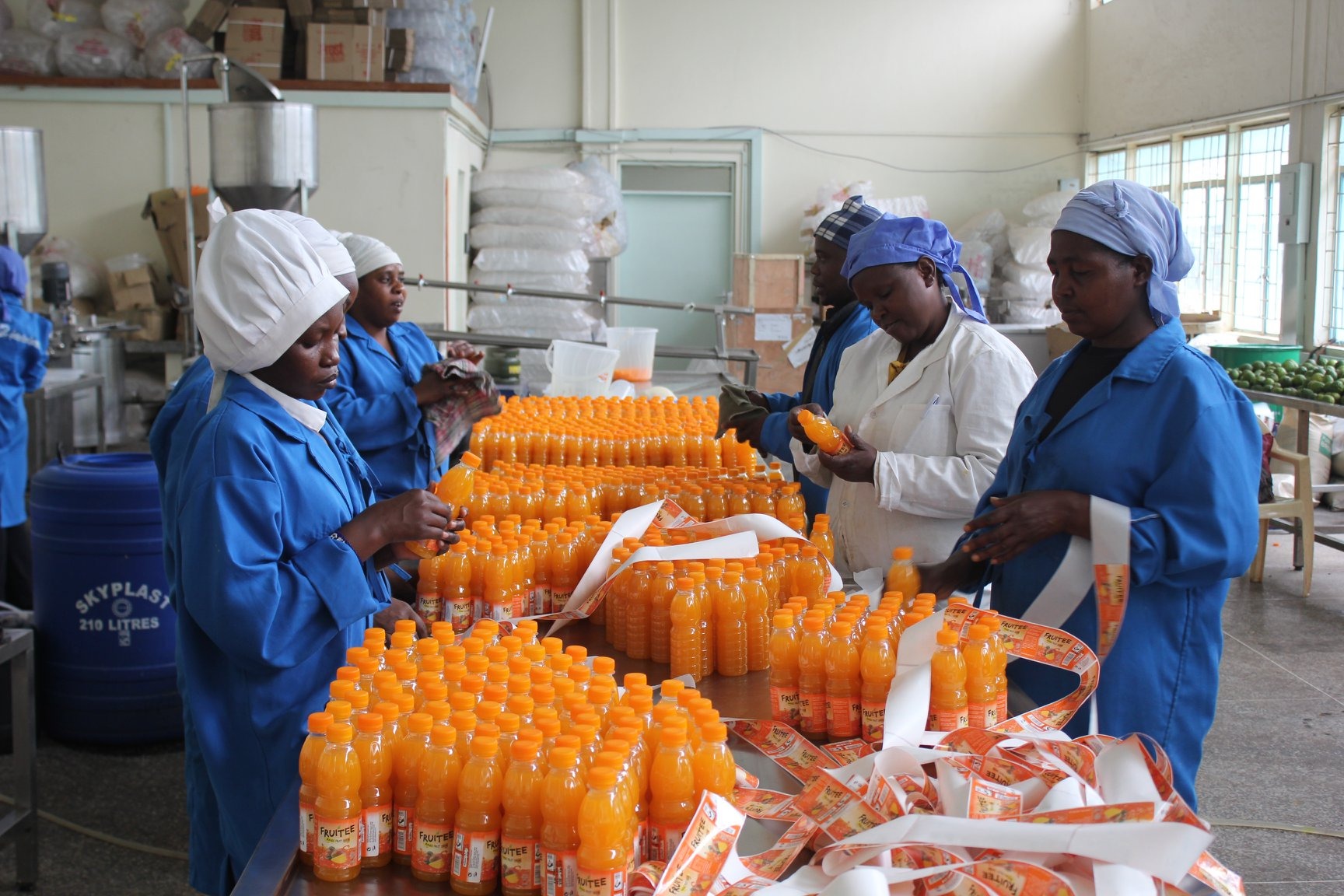
Manufacturing under the Kenya Kwanza administration is positioned as a central driver of national productivity, employment creation, and economic resilience within the Bottom-Up Economic Transformation Agenda. Industrial policy is structured around domestic value creation, regional balance, and supply-chain integration, with public investment directed toward agro-processing, decentralized production capacity, export manufacturing, and skills development. This framework treats manufacturing as a system that links agriculture, logistics, skills, infrastructure, and trade into a coherent national growth strategy.
Strategic Foundation: BETA Manufacturing Pillars
The manufacturing agenda is anchored on four mutually reinforcing pillars that organize public investment, private sector participation, and workforce development.
- Value Addition and Agro-Processing
Manufacturing policy prioritizes the processing of agricultural output into finished and semi-finished goods to strengthen domestic value chains. This approach supports farmers who constitute more than 40 percent of the national workforce by expanding processing capacity, reducing post-harvest losses, and improving price realization at farm level. Targeted investments in milling, cold storage, food processing, and packaging are structured to improve income stability and increase the contribution of agriculture to manufacturing output.
- Decentralized Industrialization and Regional Production Hubs
Industrial development is structured around geographically distributed production zones that align manufacturing activity with raw material supply areas. This approach supports job creation within rural and peri-urban communities, strengthens local economies, and integrates small producers into formal supply chains. Decentralized industrial capacity also supports domestic substitution of food and manufactured imports, which currently account for expenditure exceeding KSh 200 billion annually.
- Export-Oriented Manufacturing and Regional Trade Integration
Strategic investment in Special Economic Zones and Export Processing Zones supports large-scale manufacturing for regional and international markets. These zones provide serviced industrial land, logistics connectivity, and regulatory facilitation to enable production of competitive goods for the East African Community and wider export destinations. The framework supports diversification of exports, expansion of manufacturing output, and integration into regional value chains.
- Infrastructure, Skills, and Industrial Innovation
Manufacturing growth is supported through investment in industrial infrastructure, digital manufacturing systems, and workforce capability. Skills development programs aligned with modern production technologies support workforce readiness for advanced manufacturing. Training initiatives at Konza Technopolis have equipped over 10,000 youth with competencies in digital production, automation, and applied industrial technologies, supporting the evolving needs of the manufacturing sector.
Contribution to Food Security and Economic Stability
Manufacturing policy contributes directly to food security, foreign exchange management, and income stability through structured processing and market access. National efforts to reduce the import bill, estimated at approximately KSh 600 billion annually, are supported through expanded domestic processing capacity across food and industrial value chains. At the Kenya Meat Commission, increased processing capacity has strengthened market access for more than 50,000 pastoralist households, supporting livestock commercialization and food system stability within arid and semi-arid regions. These outcomes reinforce manufacturing as a stabilizing force within the national economy and a key pillar of inclusive growth.
Revitalizing Agricultural Manufacturing
Agricultural manufacturing under the Kenya Kwanza administration is structured around value addition, processing capacity, and organized market access within the Bottom-Up Economic Transformation Agenda. Public intervention focuses on strengthening agro-industrial linkages, improving producer returns, and anchoring primary production within domestic manufacturing systems. This approach integrates farmer support, industrial infrastructure, and regulatory alignment to position agriculture as a reliable input base for national manufacturing and export growth.
- Sugar Industry Modernization
The sugar sector is being organized around farmer welfare, factory efficiency, and production sustainability. The sugarcane farmers’ bonus program has disbursed KSh 150 million to farmers supplying the Mumias Sugar Factory, reinforcing income stability and producer confidence. Input support through fertilizer and equipment subsidies strengthens cane productivity, while structured leasing of state-owned mills to strategic investors supports operational efficiency, factory utilization, and predictable offtake arrangements.
- Coffee Value Chain Development
Coffee sector interventions focus on productivity improvement and domestic value creation. Distribution of high-quality seedlings and extension services supports yield improvement and farm rehabilitation. Emphasis on local roasting, packaging, and branding strengthens farmer participation in downstream value chains, supports export diversification, and improves income realization from international markets.
- Tea Industry Processing and Governance Enhancement
Investment in modern processing facilities supports production of specialty teas, including purple and orthodox varieties aligned with premium market segments. Governance reforms within the Kenya Tea Development Agency strengthen transparency, pricing accountability, and producer compensation, reinforcing trust and stability across the tea value chain.
- Pyrethrum Industry Restoration
Pyrethrum revitalization focuses on restoring production volumes and domestic processing capacity. Distribution of high-quality seedlings in key growing regions such as Nakuru and Nyandarua supports acreage expansion and yield consistency. Local extraction and processing of pyrethrin strengthen value retention, foreign exchange earnings, and farmer returns within the natural insecticide market.
- Dairy Manufacturing and Market Stabilization
Dairy sector investment targets cold-chain infrastructure, processing capacity, and price stability. Expansion of milk cooling plants and processing facilities supports quality management and reduces post-harvest losses. Guaranteed farm-gate minimum pricing frameworks and promotion of value-added products, including cheese and yogurt, strengthen farmer incomes and competitiveness within domestic and regional markets.
These sector-specific interventions strengthen agricultural manufacturing, expand rural incomes, and support national food security. Integration of primary production with processing and market access contributes to reduced import dependence and improved trade balance outcomes within the broader industrialization agenda.
Strengthening the Digital and Green Economy: Kenya’s Innovation and Sustainability Framework
Digital infrastructure and green energy form a core pillar of Kenya’s economic transformation agenda, supporting productivity, employment creation, and long-term resilience. National policy positions technology and sustainability as integrated economic systems that enable innovation, enhance service delivery, and anchor industrial competitiveness. Public investment is directed toward universal connectivity, local technology manufacturing, renewable energy expansion, and export-oriented industrial ecosystems that align growth with environmental stewardship.
The Digital Superhighway and the Creative Economy
The digital economy is structured as a driver of employment, enterprise development, and public service access. Internet connectivity is treated as essential national infrastructure supporting innovation, skills development, and economic participation across all regions.
- Broadband Infrastructure and Ward-Level Access
Expansion of the national fiber-optic network targets 100,000 kilometres of coverage to support reliable internet access in every ward. This infrastructure underpins the establishment of 1,450 Digital Empowerment Centers that provide access to government services, digital literacy training, entrepreneurship support, and online work opportunities. The framework strengthens last-mile connectivity and supports decentralized participation in the digital economy.
- Local Device Assembly and Electronics Manufacturing
Local assembly of affordable smartphones supports digital inclusion and domestic manufacturing capability. Production of entry-level devices within Kenya strengthens access to digital services, reduces dependence on imported hardware, and supports growth of an electronics manufacturing sub-sector aligned with skills development and industrial diversification.
- Creative Economy Development and Content Export
The Talanta Hela initiative structures the creative economy around intellectual property protection, professional production infrastructure, and market access. Investment in recording studios, film production facilities, and digital content platforms supports monetization of music, film, and creative media. These interventions position Kenyan creative content for regional and international distribution while supporting income generation and cultural exports.
Renewable Energy and Green Manufacturing
Energy policy is aligned with industrial growth, environmental sustainability, and cost competitiveness. Renewable energy forms the backbone of the national power system, supporting manufacturing, transport, and export industries.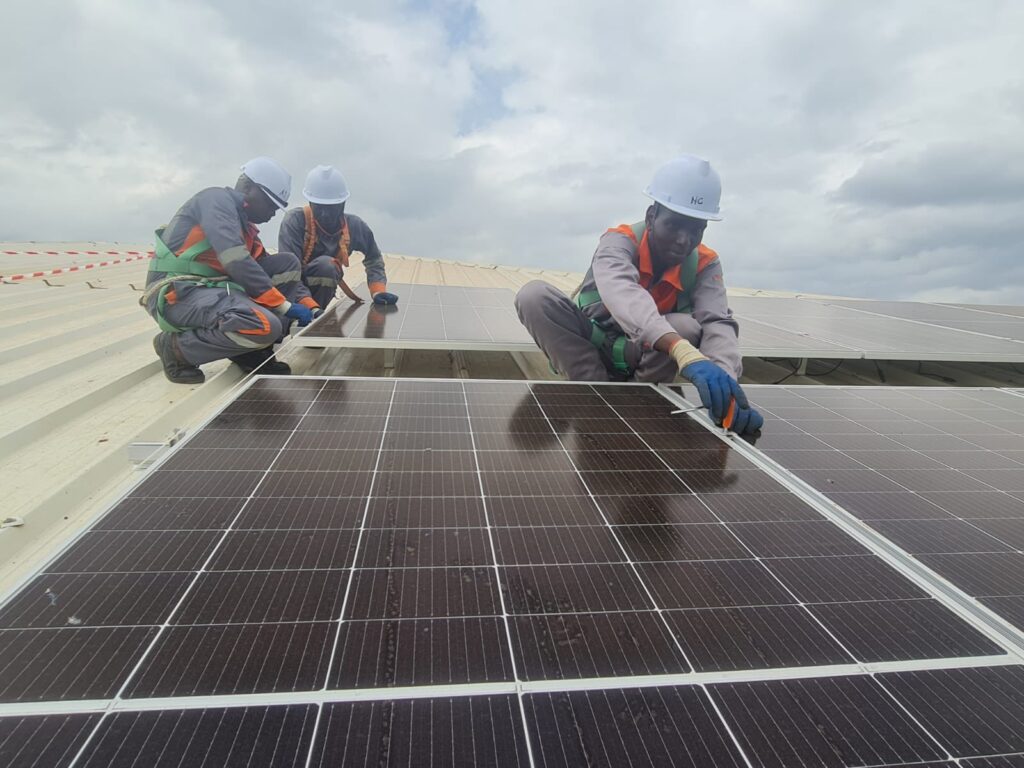
- Geothermal and Wind Energy Investment
Continued development of geothermal capacity at Olkaria and wind generation at Lake Turkana provides stable and affordable power for industrial and commercial users. These energy sources support predictable electricity supply, lower production costs, and reinforce Kenya’s positioning as a manufacturing destination aligned with global sustainability standards.
- Electric Mobility Manufacturing and Adoption
Policies supporting electric mobility promote local assembly of electric motorcycles and buses. Incentives focus on domestic manufacturing, skills development, and deployment within public and commercial transport systems. This framework supports emissions reduction, energy efficiency, and reduced expenditure on imported fuels.
- Circular Economy and Sustainable Manufacturing Practices
Regulatory frameworks promote recycling, upcycling, and responsible waste management within industrial processes. Integration of circular economy principles strengthens resource efficiency, reduces environmental impact, and aligns the Made in Kenya brand with sustainability and responsible production standards.
Special Economic Zones and Export Processing Systems
Industrial expansion is supported through purpose-built zones that integrate infrastructure, logistics, and regulatory facilitation to support export-oriented manufacturing and investment.
- Strategic SEZ Development and Trade Enablement
Special Economic Zones at Dongo Kundu and Naivasha provide serviced industrial land, logistics connectivity, and fiscal incentives that support large-scale manufacturing and export processing. These zones function as gateways for Kenyan products into continental and global markets, including the African Continental Free Trade Area.
- SME Integration into Industrial Value Chains
Small and Medium Enterprises are integrated into the supply chains of large industrial parks through subcontracting, technology transfer, and shared services. This approach expands market access for SMEs, supports productivity upgrades, and embeds local enterprises within national and export manufacturing ecosystems.
Economic Outcomes and Strategic Direction
Investment in digital infrastructure and green energy strengthens economic resilience, industrial competitiveness, and inclusive growth. Integration of technology, sustainability, and manufacturing positions Kenya for long-term productivity while supporting employment creation, environmental responsibility, and export expansion within a modern national development framework.
Advancing the Industrial Frontier: Textiles, Leather, and Pharmaceuticals
Industrial policy under the Kenya Kwanza administration extends beyond agro-processing to high-value manufacturing sectors that support import substitution, employment creation, and domestic value retention. Textiles, leather, and pharmaceuticals are structured as priority industries within the Bottom-Up Economic Transformation Agenda, supported by targeted public investment, private-sector partnerships, skills development, and regulatory alignment. These sectors anchor the “Made in Kenya” manufacturing agenda by linking local raw materials, modern production capacity, and regional and global markets.
- Textile and Apparel Manufacturing Value Chain
Textile and apparel manufacturing is organized around an integrated cotton-to-fabric-to-garment value chain that supports rural producers and industrial output. Expansion of cotton farming to over 100,000 acres across 24 counties provides a stable raw material base for domestic manufacturing. Modernization of Rivatex East Africa Limited with advanced machinery strengthens spinning, weaving, and finishing capacity, supporting consistent production quality and scale. Structured partnerships with private operators support operational efficiency, output optimization, and market access. These interventions have generated more than 23,000 rural jobs across farming and ginning activities, with the apparel manufacturing pipeline aligned toward large-scale job creation within industrial zones.
- Leather Industry Value Chain Development
The leather sector is structured around full utilization of the national livestock resource base through value addition and manufacturing. Investment of KSh 1 billion in the Kenya Leather Industrial Park, including facilities such as the Ewaso Ng’iro Tannery and Leather Factory, supports processing of hides and skins into finished leather and manufactured goods. This infrastructure enables artisans and manufacturers to participate in footwear, accessories, and industrial leather production. The framework strengthens domestic processing capacity, supports skills transfer, and expands employment across tanning, manufacturing, and logistics while positioning the sector as a contributor to industrial output and exports.
- Pharmaceutical Manufacturing and Health Security
Pharmaceutical manufacturing is anchored in the Health Products and Technologies Local Manufacturing Strategy, which supports domestic production of essential medicines and health commodities. The strategy targets local manufacture of 50 percent of essential medicines, strengthening supply reliability and supporting cost management within the health system. Regulatory and quality assurance systems are reinforced through digital track-and-trace platforms using blockchain-enabled verification to secure product authenticity, protect consumers, and support confidence in locally manufactured medical products.
These sector-specific interventions strengthen industrial depth, expand skilled employment, and support domestic manufacturing capacity across multiple value chains. Integration of raw materials, processing infrastructure, and regulatory systems positions industrial growth as inclusive, technology-enabled, and aligned with long-term economic resilience.
Manufacturing as the Core Engine of Economic Transformation
Manufacturing is positioned as a central pillar of the Bottom-Up Economic Transformation Agenda, with a defined objective of increasing the sector’s contribution to Gross Domestic Product from 7.2 percent to 15 percent by 2027. Industrial policy is structured around domestic value creation, capacity expansion, and structured demand linkage, aligning production with national infrastructure programs, household consumption needs, and regional trade opportunities. This framework organizes manufacturing as a driver of productivity, employment, and import substitution across multiple sub-sectors.
Construction Materials: Anchoring Industrial Demand through Housing Delivery
The Affordable Housing Program functions as a stable demand anchor for domestic manufacturing output. With construction materials accounting for nearly half of total building costs, procurement policy prioritizes locally manufactured inputs to retain capital within the domestic economy and stimulate industrial expansion.
- Structural Steel and Cement Manufacturing
Domestic cement and steel producers form a critical supply base for large-scale housing delivery. Kenya’s cement industry supports regional exports while sustaining domestic demand through housing construction. Government incentives support capacity expansion among manufacturers supplying structural steel, cement, and prefabricated components required for thousands of housing units under active development.
- Jua Kali Integration and Artisan Industrialization
Small-scale manufacturers and artisans are integrated into formal supply chains through structured clustering and standardization frameworks. Organized Jua Kali enterprises supply doors, windows, hinges, and fittings for government housing projects. This approach embeds micro-manufacturing within national procurement systems and links grassroots enterprise directly to public capital expenditure.
Edible Oils Manufacturing and Import Substitution
Edible oils manufacturing is organized as a strategic import-substitution priority aligned with food security and foreign exchange management. National consumption currently relies on imported volumes estimated at 600,000 metric tonnes annually, creating a defined production and processing opportunity.
- Oilseed Processing Infrastructure
Commissioning of a modern edible oil processing facility in Lamu County forms part of a national plan to establish 14 processing facilities. These plants support processing of sunflower, canola, and coconut oil, strengthening domestic refining capacity and structured offtake for oilseed producers.
- Farmer Production Support and Supply Assurance
Distribution of high-quality seeds and extension services across 24 counties supports acreage expansion, yield consistency, and predictable raw material supply. Production targets are aligned with meeting 50 percent of domestic edible oil demand by 2027, supporting foreign exchange savings and value retention within the agricultural-manufacturing interface.
Automotive Manufacturing and E-Mobility Development
Automotive manufacturing policy supports local assembly, skills transfer, and industrial capability within the transport sector. Assembly operations serve domestic demand while strengthening supply chains, technical capacity, and employment.
- Vehicle Assembly Capacity Expansion
Local vehicle assembly recorded growth of 16.4 percent during the first half of 2025, supported by duty exemptions on imported components and structured industrial policy. Global manufacturers operating assembly lines in Kenya support production of commercial and passenger vehicles aligned with domestic market requirements.
- Electric Mobility Manufacturing
Electric vehicle manufacturing is organized around domestic assembly of buses and motorcycles within industrial zones in Nairobi and Mombasa. Assembly operations leverage the national renewable energy profile, support clean transport objectives, and position Kenya as a manufacturing base for regional electric mobility markets.
Summary of Targeted Manufacturing-Led GDP Growth (2022–2030)
Manufacturing sector interventions across construction materials, edible oils, automotive assembly, and electric mobility form a coordinated growth strategy aligned with domestic demand, employment creation, and import substitution. These investments position manufacturing as a sustained contributor to economic expansion, value retention, and industrial resilience within the national development framework.
